
Guest Editors: Sabina Andron (University of Melbourne, Australia), Konstantinos Avramidis (University of Cyprus, Cyprus), Tom Ward (Uppsala University, Sweden)
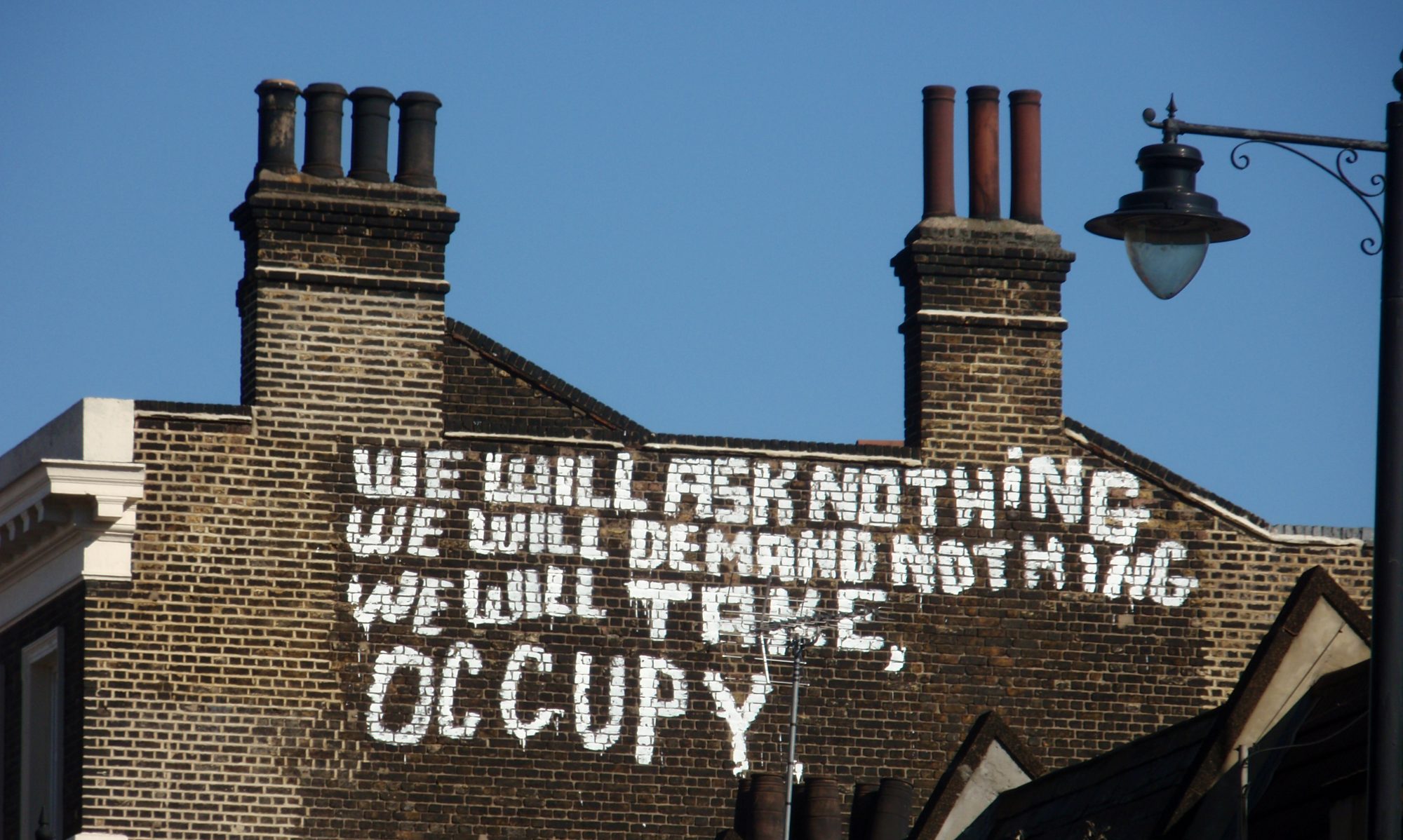
Urban surfaces are vital spaces of communication, governance and political contestation (Andron, 2024). Murals, digital billboards and potholes in pavements are just some examples of the way urban scholars have interrogated urban surfaces of late (e.g. Annavarapu, 2025; Dekeyser, 2018; Morrison, 2022). However, beyond the urban surface as an object, site or architectural typology, we are interested in surfacing as a method of urban research, pertinent to analyses of urban governance, ecology, labour, communication, materiality, and more. Building upon and responding to existing research on urban surfaces and contemporary approaches to urban morphology (Andron et al. 2024a, 2024b, 2024c), such as the growing interest in urban volume and the vertical (e.g. Bosworth, 2024; Graham, 2016; Harris, 2015; McNeill, 2020), in this Special Issue we seek to explore what surfacing reveals about the city.
The Special Issue considers surfacing a method of examining the complexity of urban life and the urban form. We position the urban surface as a critical, novel lens through which to make sense of the city; and we are primarily interested in what this methodological attention to the surface affords us in advancing knowledge of contemporary urban experiences, cultures and infrastructures. Drawing from contributions to the Urban Surfaces Research Network and our Urban Studies Foundation Seminar Series Award, “Walls speak. Are you listening? A research agenda for urban surfaces”, the Special Issue asks: how does surfacing as a method contribute innovative perspectives to contemporary debates in urban studies? How can our understanding of the complexity of the city be advanced by beginning, methodologically, from the urban surface as a lens deserving of rigorous, interdisciplinary scrutiny?
Contributions are welcome from any urban-adjacent disciplines with empirics grounded in themes of materiality, communication, governance, economy, ecology, labour, and more. For example, a scholar interested in urban governance might explore what is gained by examining urban governance through/from the prism of the urban surface, or a scholar interested in gig labour might examine this through a contribution that “surfaces” the (urban) gig economy. Contributions are in other words expected to interrogate urban surfaces as more than objects, spaces, sites, or cases of study, such as billboards, pavements, or walls. SI contributions will collectively demonstrate the range of analytical possibilities afforded by this proposition, while sharing the main theoretical move from surface-as-site to surface-as-method. We expect every contribution to be conceptually and methodologically ambitious; descriptive case studies or metaphorical approaches will not be accepted.
Call for papers published: 9 November 2026
Abstract submission deadline: 14 December 2026
Notification of abstract selection: January 2027
Full-manuscript deadline: July 2027
Special-issue publication: Summer 2028
Please send 300-word abstracts to urbansurfacesnetwork@gmail.com by 14 December. Late submissions will not be accepted.